


Newsletter Subscribe
Enter your email address below and subscribe to our newsletter


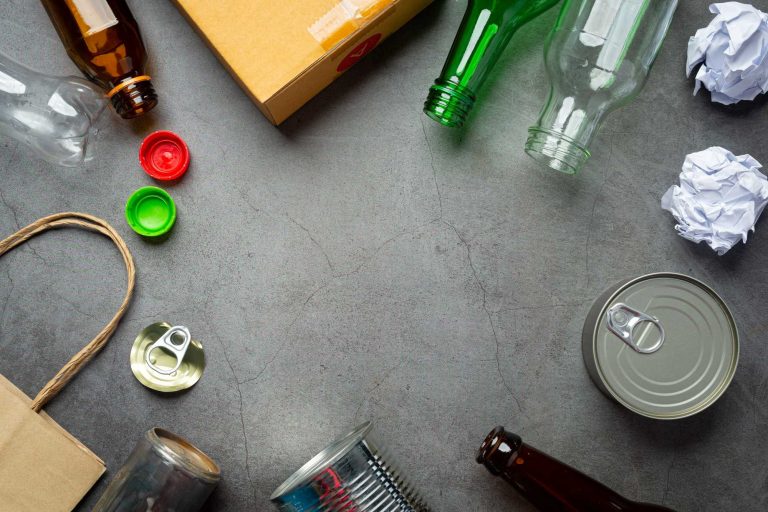
Humanity generates between 2.1 billion and 2.3 billion tonnes of municipal solid waste a year. When improperly managed, much of that refuse—from food and plastics to electronics and textiles — emits greenhouse gases or poisonous chemicals. This damages ecosystems, inflicts…
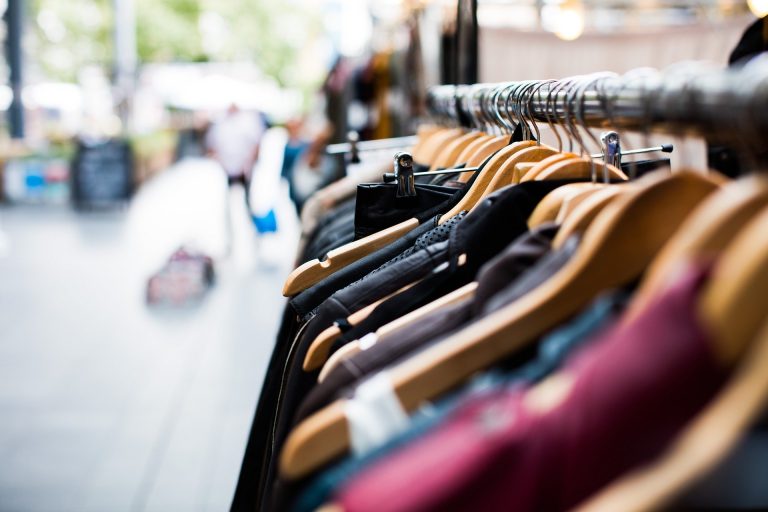
The EEA briefing ‘Textiles and the environment: The role of design in Europe’s circular economy’ provides updated estimates of textiles’ life-cycle impacts on the environment and climate. The briefing shows that, compared with other consumption categories, textiles caused in 2020…
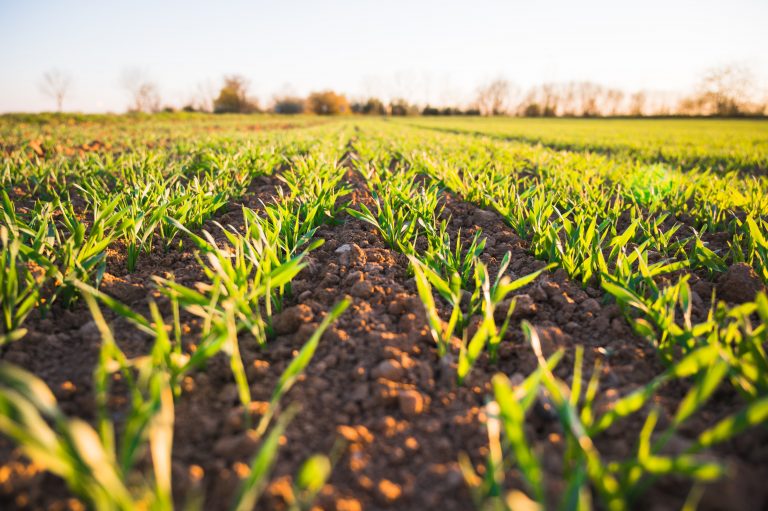
The millions of tons of plastic swirling around the world’s oceans have garnered a lot of media attention recently. But plastic pollution arguably poses a bigger threat to the plants and animals – including humans – who are based on…
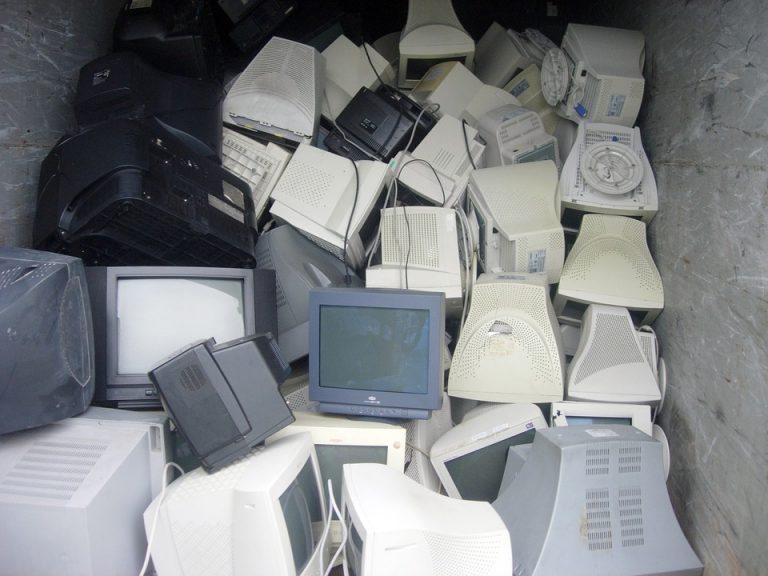
Effective and binding action is urgently required to protect the millions of children, adolescents and expectant mothers worldwide whose health is jeopardized by the informal processing of discarded electrical or electronic devices according to a new ground-breaking report from the…
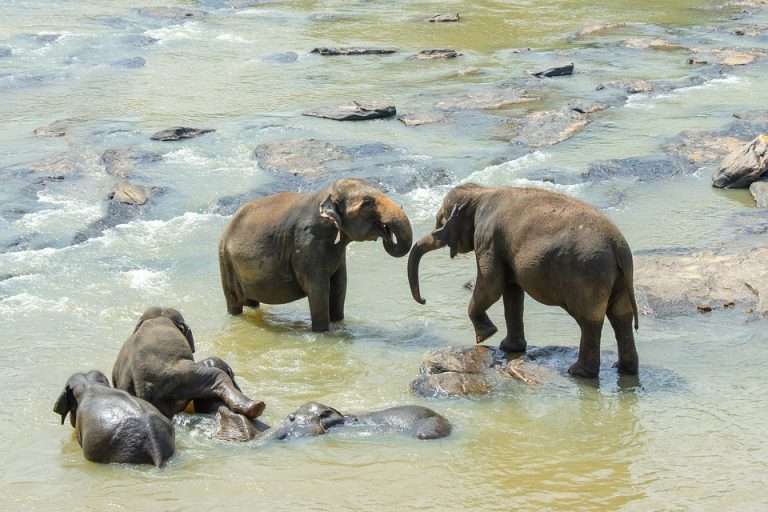
Ten migratory species added to global wildlife agreement including the Asian Elephant, Jaguar and Great Indian Bustard Gandhinagar declaration sends strong message on importance of migratory species for new global biodiversity strategy The Thirteenth Meeting of the Conference of the…

Microplastic pollution is raining down on city dwellers, with research revealing that London has the highest levels yet recorded. The health impacts of breathing or consuming the tiny plastic particles are unknown, and experts say urgent research is needed to…
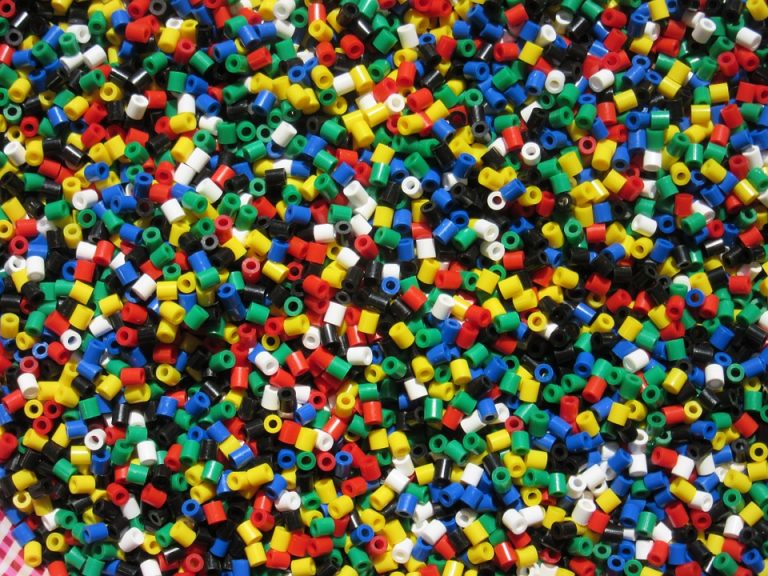
Tiny pieces of plastic measuring less than five millimeters in length—or roughly the size of a sesame seed—have become a nearly ubiquitous presence in our world. Scientists have found the particles, better known as microplastics, everywhere from the oceans, the…