



Newsletter Subscribe
Enter your email address below and subscribe to our newsletter


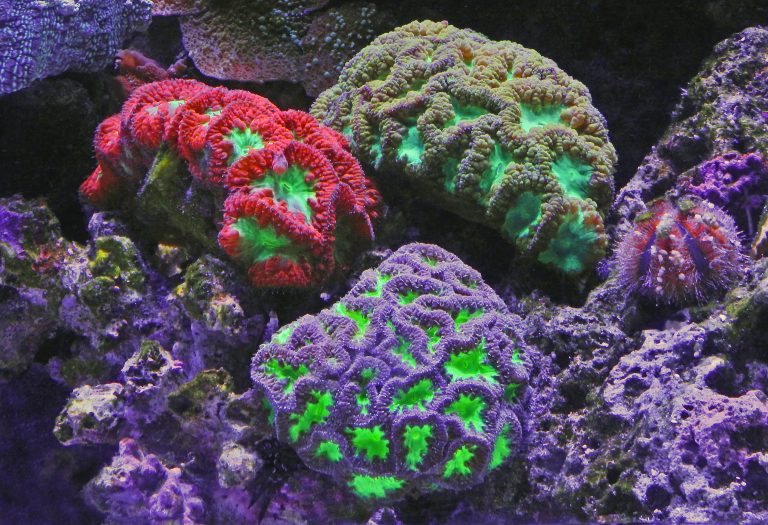
Beneath the ocean surface, an expansive network of dynamic skeletal-like invertebrates harbours at least 25 percent of all known marine species. Both hard and soft corals provide the basis for functioning coral reefs, which are some of the planet’s most…
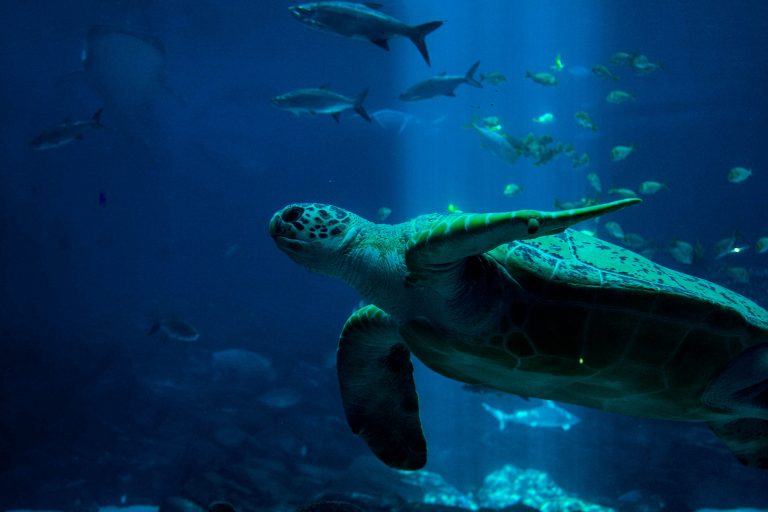
The Galapagos Islands, off the west coast of Ecuador, are among the most important bastions of nature on our planet. The diversity of life here–hammerhead sharks, Galapagos penguins and blue-footed boobies among them–prompted Charles Darwin 150 years ago to craft…
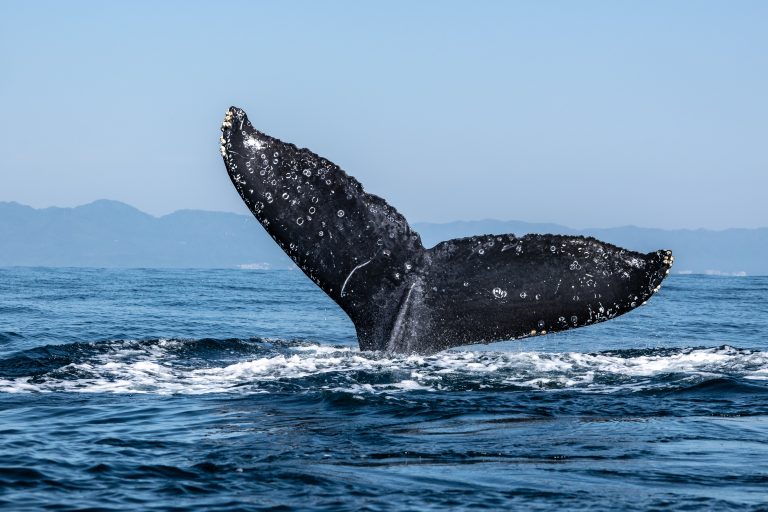
In rare good news, the federal permits that allow fossil fuel companies to use deafening airguns — which harm many marine species — will expire on November 30 and not be renewed. A status conference on seismic litigation on October…
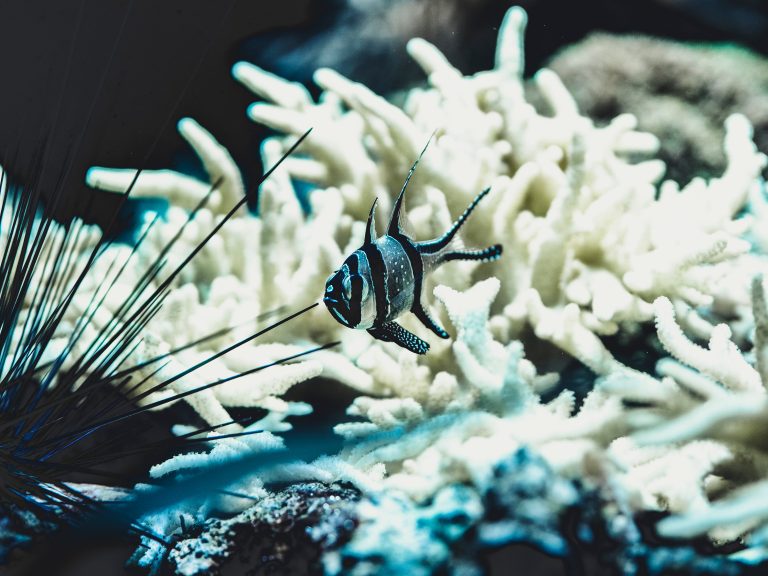
A global study has revealed exactly why corals glow during ocean heatwaves: to try and survive. The research by the University of Southampton’s Coral Reef Laboratory shows that some corals exhibit a dazzling colourful display when they suffer bleaching due…
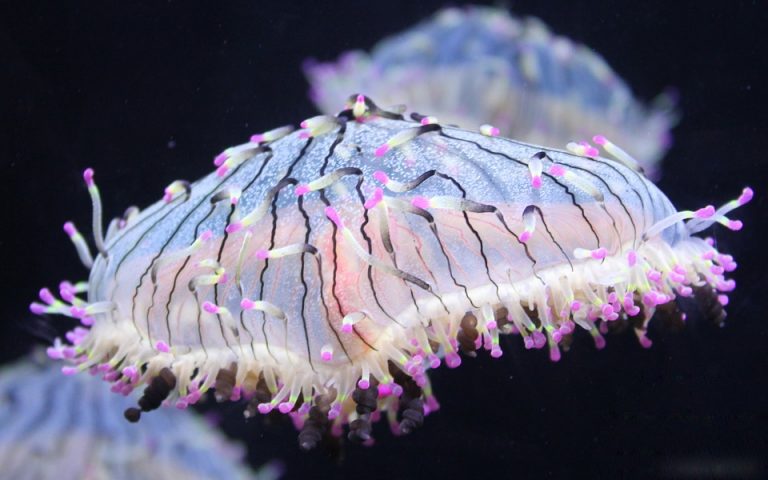
Remote diving is the new remote working. Schools, events and activities in so much of the world have come to a standstill in the wake of COVID-19, with little or no movement recommended. But that does not mean we cannot…
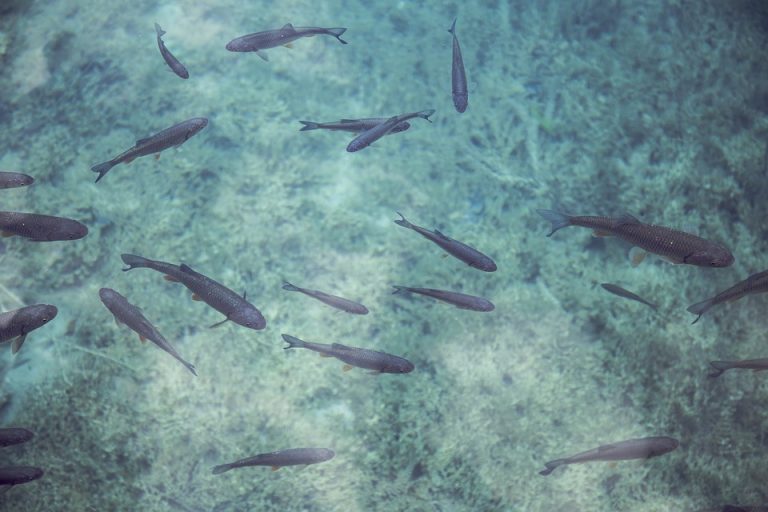
A five-year, $50-million Global Environment Facility (GEF)-funded program rolled out by FAO and partners has made remarkable progress in protecting international waters’ biodiversity by rendering fishing in these waters less harmful to several marine species, including sea turtles and tuna.…
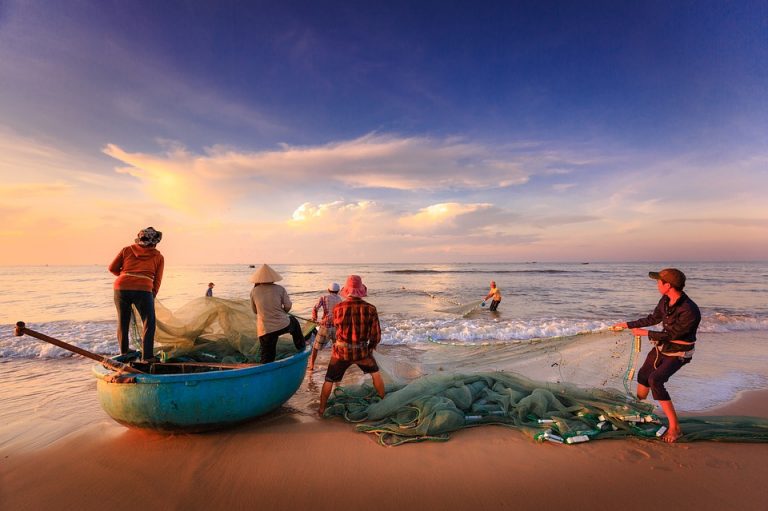
Lost and abandoned fishing gear which is deadly to marine life makes up the majority of large plastic pollution in the oceans, according to a report by Greenpeace. More than 640,000 tonnes of nets, lines, pots and traps used in…