




Newsletter Subscribe
Enter your email address below and subscribe to our newsletter


Would you believe us if we revealed to you that one Belgrade-based marketing agency with around 40 employees during just one day in April expanded its working capacity with 72,000 new members spread across five offices? If we told you…
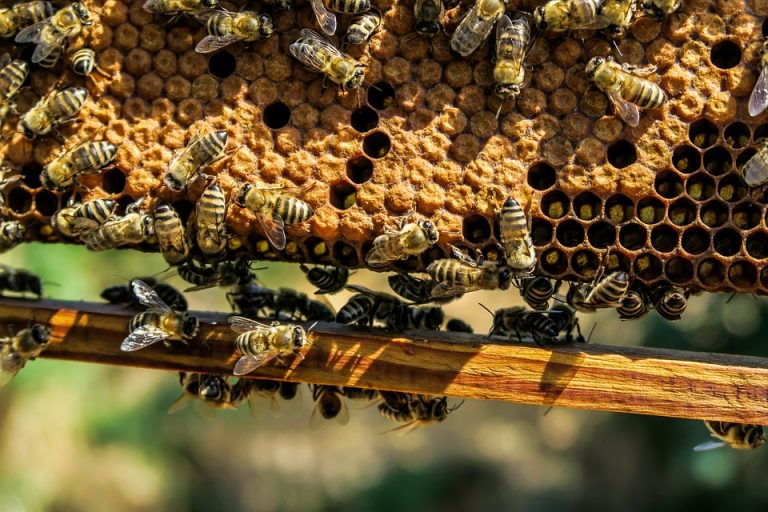
Bees have developed a likening to pesticide-containing plants, according to a recent study. The affinity exhibited by the bees is similar to an addiction to nicotine from cigarettes. Apparently, the more pesticide-laced pollen that the bees ingest, the more they…

Environmentalists scored a victory in Canada on Wednesday, securing restrictions on two pesticides that have been posing threats to bees and aquatic insects. The Canadian government’s Pest Management Regulatory Agency (PMRA), branched under the division ‘Health Canada,’ has agreed to…

Humanity is devouring our planet’s resources in increasingly destructive volumes, according to a new study that reveals we have consumed a year’s worth of carbon, food, water, fibre, land and timber in a record 212 days. As a result, the…
Neonicotinoid pesticides have commonly been linked to the plight of honeybees. But a new study from the University of Guelph finds that honeybees aren’t the only non-pest creatures that are coming into contact with the pesticides. Neonicotinoids, sometimes called neonics,…
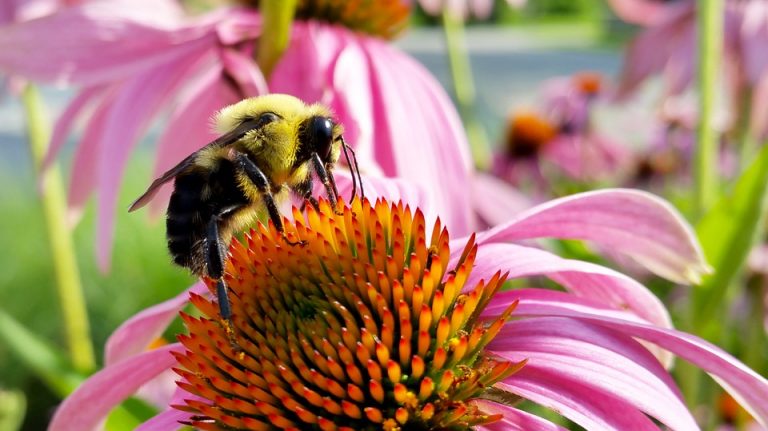
Bumblebee colonies fare better in villages and cities than in fields, research has revealed. Bumblebees are important pollinators, but face threats including habitat loss, climate change, pesticide and fungicide use and parasites. Now researchers say that bumblebee colonies in urban…
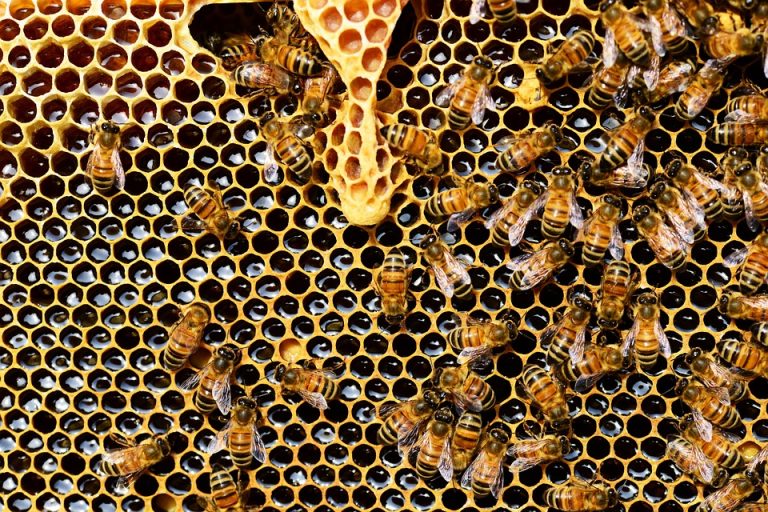
Right now, we’re in a real crisis when it comes to bees. Every year, about a third of our honeybee colonies collapse. And the 4,000 native bee species in the United States suffer from those same threats that honeybees do.…