

Newsletter Subscribe
Enter your email address below and subscribe to our newsletter


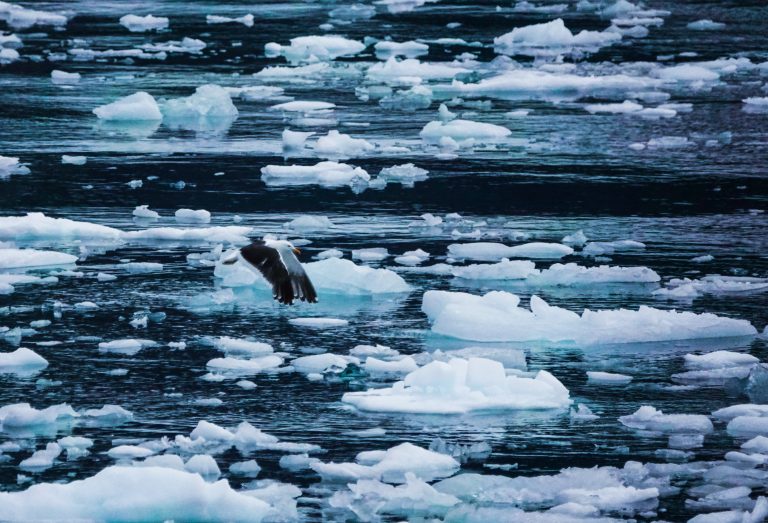
30 years ago, something remarkable happened. Governments around the world agreed to make the Antarctic off limits to oil drilling and mining. In the 1980s the debate of the fate of the Antarctic got intense, as interest in the continent’s…
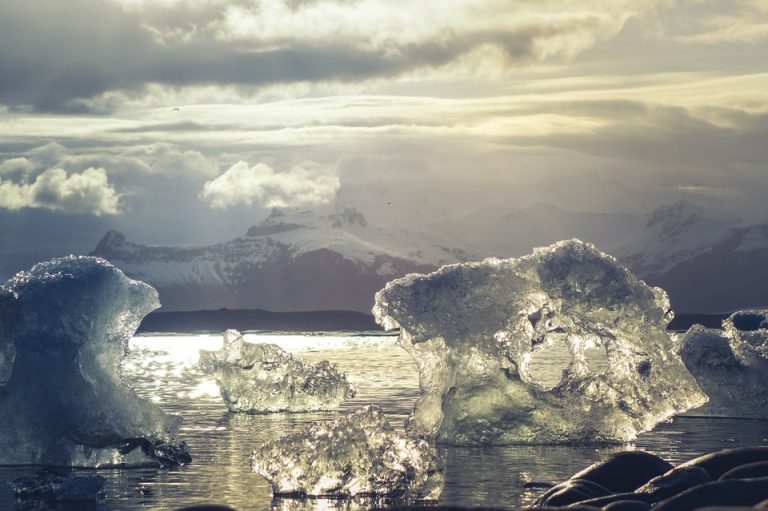
Depletion of the ozone layer, the shield that protects life on Earth from harmful levels of ultraviolet radiation, reached an unprecedented level over large parts of the Arctic this spring. This phenomenon was caused by the continuing presence of ozone-depleting substances…
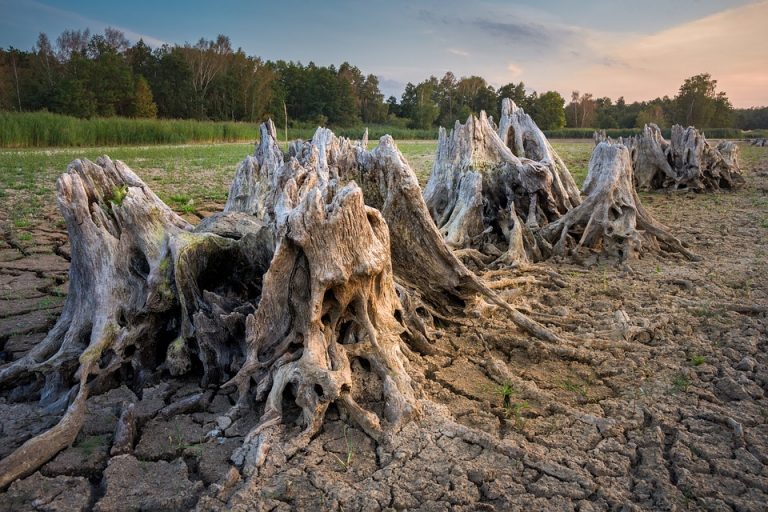
The tell-tale physical signs of climate change such as increasing land and ocean heat, accelerating sea level rise and melting ice are highlighted in a new report compiled by the World Meteorological Organization and an extensive network of partners. It…
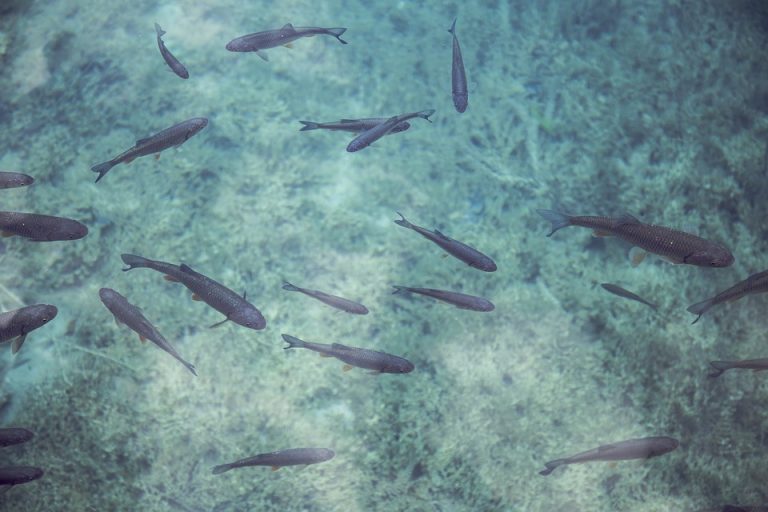
A five-year, $50-million Global Environment Facility (GEF)-funded program rolled out by FAO and partners has made remarkable progress in protecting international waters’ biodiversity by rendering fishing in these waters less harmful to several marine species, including sea turtles and tuna.…
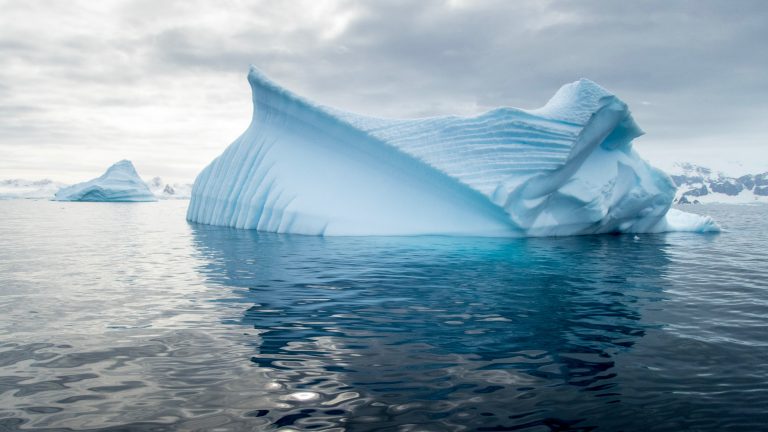
An international team of scientists has reached the Thwaites glacier in Antarctica and is preparing to drill through more than half a kilometre of ice into the dark waters beneath. The 600-metre deep borehole will allow researchers to lower down…
The ozone layer is showing signs of continuing recovery from man-made damage and is likely to heal fully by 2060, new evidence shows. The measures taken to repair the damage will also have an important beneficial effect on climate change,…
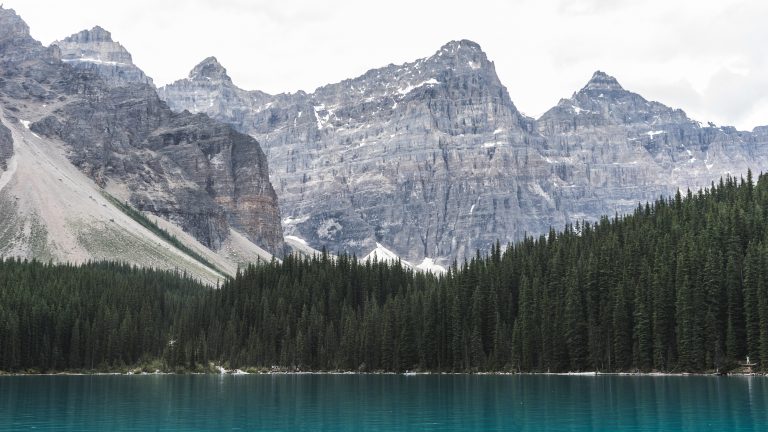
Just five countries hold 70% of the world’s remaining untouched wilderness areas and urgent international action is needed to protect them, according to new research. Researchers from the University of Queensland (UQ) and the Wildlife Conservation Society (WCS) have for…