
Home Blog Page 83

PRODUCTIVITY AND A SUSTAINABLE FUTURE THE ABB WAY

Photo: ABB
Photo: ABB

Numerous measuring instruments, sensors, actuators, electronic transmitters and other devices hidden in the depths of a plant constantly record data on the flow of air, gas, water or thermal energy. With the emergence of new technologies and companies specializing in digital transformation, the conditions have been created for this source of valuable information to be the starting point for the industry’s transition to sustainable business. Contrary to the conventional production process, in which a carefree attitude towards resources such as water, heat or electricity reflected the general spirit of the times, today, there is a new model based precisely on the measurements of the consumption of various resources in the plants themselves. 

This modern production process implies that all operations are fully connected, flexible and self-optimizing. ABB, the world’s leading engineering company, stands out among the companies that can provide this to increasingly demanding industries. Their software solutions in power engineering, robotics, automation and electric drives have been implemented in many factories, power plants and other facilities, achieving greater productivity, safety and reliability while reducing the carbon footprint

ABB in the fight against the consequences of climate change

It is known that there is no good management without measurement, and the achievement of sustainability in the industry is based precisely on the careful collection of consumption data. Research has shown that global electricity consumption could be reduced by up to 10 per cent if the world’s 300 million electric-powered industrial systems were replaced with optimized, high-efficiency equipment. However, that would not be the only benefit. As a result, emissions of harmful gases, the main cause of global warming, would be reduced. As a world leader in resource efficiency, ABB enables the energy transition in factories, power plants and other industrial facilities. Their solutions help reduce emissions of harmful gases and preserve natural resources in the industry. They also gave a time frame to their ecological aspirations. They plan to help their customers reduce annual CO2 emissions by 100 million tons by 2030, which is the amount of annual emissions emitted by 30 million internal combustion engine vehicles.

IN FOCUS:

What does it look like in action?  

Six years ago, the Swedish battery manufacturer Northvolt sought a partner to develop a new technical solution. They found the perfect collaborator in ABB, which accelerated the implementation of that solution through electrification and automation. The applied technology enabled the transformation of the factory. Northvolth is today the world’s most environmentally friendly battery manufacturer, but it is not the only Swedish company to which ABB has provided this very flattering title. You may have heard about the new textile raw material called Circulose® or the term “circular fashion”.

A company from Stockholm has developed a technology that enables a new life cycle for used cotton and other materials with a high percentage of cellulose. Instead of new cotton, clothing factories can now use Circulose, a biodegradable pulp derived entirely from textile waste. For this Swedish factory to meet all the criteria of the circular economy, they hired ABB to introduce complete automation of operations, a quality measurement system and electrification. At ABB, they say they create innovation and push the boundaries of technology to enable a greener future for customers, industries and society. Their sustainability initiative, Mission to Zero™, which should accelerate the transformation in the industry, speaks for itself. It is an open-source program that allows companies to use and modify technical drawings for smart buildings with their energy production from renewable sources and solutions for its storage.

By using the incredible capabilities of technologies to digitally connect all components within an industrial ecosystem so that they are subject to control, thanks to the connection of data on heating, lighting, ventilation, security and room utilization, energy consumption can be drastically reduced, and with it, harmful gas emissions. ABB’s expertise and experience represent safe support for companies on the way to achieving goals such as reducing the carbon footprint and, ultimately, climate neutrality by 2030 and 2050. 

Prepared by: Jovana Marković

Read the story in the new issue of the Energy portal Magazine ENVIRONMENTAL PROTECTION

A DEPOSIT SYSTEM WOULD MOTIVATE PEOPLE TO RECYCLE

Photo: NALED
Photo: NALED

All NALED projects aim to pilot modern solutions and provide reliable insight into how the management of food, packaging and hazardous waste flows would look if the related solution were to be systematically adopted and implemented throughout the country.

In collaboration with the Serbian government and line institutions, The National Alliance for Local Economic Development (NALED) participates in the working groups working on amending regulations, especially the amendment to the Law on Packaging Waste. In cooperation with the business sector, NALED prepares analyses that justify implementing a deposit system for packaging returns. They also supported the development of the Circular Economy Development Programme and implementing measures stated in the relevant Action Plan.

They hired the renowned British company Eunomia to research the continuation of waste collection in Serbia. Two studies were made on the back of the results of collection based on the existing ‘polluter pays’ principle, as well as on the goals that would be achieved if a deposit system were implemented, which is a method of returning packaging to stores and getting a partial refund for the money paid when purchasing the product. The analyses were done on a neutral basis to arrive at solutions that are best for the overall country, not individuals.

We spoke with Slobodan Krstović, the Sustainable Development Director at NALED, about improving the environment for further developing the green economy in Serbia, European regulations, measures for proper waste disposal and plans for improving environmental protection.

IN FOCUS:

EP: What are the key steps for making significant progress towards a healthier environment in our country?

Photo: NALED

Slobodan Krstović: In terms of waste management, it is important to continue developing primary selection and constructing regional landfills where waste would be properly stored, but also implementing new technologies such as a deposit system, which would motivate people to care more about recycling. It is also necessary to continue with the construction of the sewage grid and waste treatment plants because, for the past several years, less than 10 per cent of wastewater in Serbia has been treated, while the largest cities such as Belgrade, Niš, and Novi Sad do not have a single waste treatment plant. Communal and industrial wastewater is discharged directly into rivers. If we want cleaner air, we need to replace coal with other energy sources and invest in cleaner technological solutions in the industry and at home, which are all the basis for a healthier future. One of the measures that NALED advocates is higher fees for large polluters because the current fee calculation system does not motivate them to reduce the number of pollution particles they emit.

EP: What are the possibilities for establishing a functional Green Fund in Serbia as an important instrument for financing environmental projects?

Slobodan Krstović: NALED recognizes the importance of forming the Green Fund to ensure the transparency and sustainability of financing environmental protection projects. The new edition of the Gray Book again recommends an operational Green Fund be established, as a completely functional body that will serve projects oriented towards environmental protection, with a clearly defined legal framework and budget. Efforts are also being made to boost the capacity of public administration in matters pertaining to the environment at both the local and national levels and to change pollution fees.

EP: What should be done to raise the awareness of both companies and individuals about the importance of proper waste disposal in Serbia?

Photo: NALED

Slobodan Krstović: Companies should be able to make proper waste disposal more profitable than simply taking it to landfills. It can be done by higher fees for this service and having certain incentives. Individuals should be assured that the state and local governments are implementing all required environmental measures so that they develop better habits. If people see that waste is properly collected and treated, they will be motivated to separate household waste. Special containers must be more accessible, and there should be significantly more near every residential building or house. In the research carried out under the auspices of the “Management of Glass Packaging in the Western Balkans” project, the research participants said that having incentives in the form of discounts on the next purchase or on utility bills, as well as being entitled to refunds when taking packaging back to shops, would motivate them to start sorting waste.

EP: What waste management projects has NALED launched with partners in an attempt to find systemic solutions to this problem? What results have you achieved?

Slobodan Krstović: Our projects have focused on managing food waste, batteries, light bulbs, and glass packaging. The piloting of a smart packaging waste collection system in Zrenjanin using the latest technologies is currently underway. In this way, we collected more than 1,300 tonnes of food waste and installed 1,400 recycling containers for glass packaging in Serbia and the region. We started collecting hazardous waste at public locations in our country for the first time in our country, Kragujevac and Belgrade.

These are the small steps we have taken to indicate the required systemic solutions in these areas, which must be adopted at the institutional level. Waste disposal fees need to be higher to make it more profitable to send packaging waste for recycling rather than ship it to landfills. Incentives should be provided for establishing a collection system and exporting batteries and light bulbs because building a recycling plant is unprofitable at this time. Proper collection and storage of a kilogramme of batteries currently cost 4 euros. The solution we proposed for regulating special waste flows under the auspices of the Proper Management of Food Waste project is that all catering establishments that serve more than 50 meals a day have to separate waste properly. In cooperation with the EsoTron Company and with the support of the German Development Cooperation (GIZ) organization, we have created a Guide containing precise instructions which can facilitate this practice.

Interviewed by: Mirjana Vujadinović Tomevski

Read the story in the new issue of the Energy portal Magazine ENVIRONMENTAL PROTECTION

GOOD POLICIES AND INNOVATIVE TECHNOLOGIES FOR A GREEN TRANSITION

Photo: Nenad Kostić

Meet the smallest country in Scandinavia. In it, almost every resident, and there are 5.8 million of them, not only owns a bicycle but also rides it every day, and 11,000 km of bicycle paths are at their disposal. In its capital, during the summer, you can see bathers cooling off in the crystal-clear sea water in the nearby harbor. As if the multitude of islands that this country is proud of were not enough, they decided to create new, very special, energy islands. To that, they added climatic and ecological parks. We present to you the green achievements of the Kingdom of Denmark through a conversation with Susanne Shine, the ambassador of this country in Serbia.

EP: The Kingdom of Denmark ranks first in the EPI list (Environmental Performance Index). Does the progress in preserving the environment and nature affect the strengthening of the feeling of happiness since the Kingdom of Denmark has been considered one of the happiest countries in the world for years?

Susanne Shine: We are honored to be at the top of the Environmental Performance Index. Most Danes prioritize environmental protection, and “green living“ has become an integrated part of everyday life in Denmark. As a Danish ambassador, I am proud to see Denmark lead the way.

Getting to this leadership position has not been an easy accomplishment, but it is something that has been built over generations. Besides having a highly developed educational and research ecosystem in Denmark, one of the keys to reaching this position lies in the cooperation between crucial private and public stakeholders in sustainable development. Through close cooperation, we dare to set ambitious climate change and environmental protection goals. It means that good ideas are quickly reflected in policies and regulations, that private and government investments support them and that they enjoy essential public support.

Regarding our happiness, I do think it is a big speculation to draw a straight line from the green transition to a country’s overall happiness. However, in the past decades, we have focused on the restoration of wild nature and on including more nature in our cities. Maybe it does have an effect? Perhaps having more trees and green areas to look at in the cities can actually make people happier.

IN FOCUS:

EP: On the other hand, according to Footprintnetwork, during one year, you use up four to five annual resources of the planet Earth. In what way are you trying to change this?

Photo: courtesy of Ambassy of the Kingdom of Denmark

Susanne Shine: Despite our high rankings in the various indexes, we recognize that there is still a long way to go, and we still have many environmental challenges to overcome. Consumption is increasingly becoming an important political issue, and the government, civil society, and the public are taking more determined steps to combat it. One success within this area is our recycling system for bottles and cans, which has worked flawlessly for years. Another positive step is a new collection system that will more effectively separate household waste and increase recycling. Relatedly, a tax on the use of plastic bags in all shops was implemented a couple of years ago. It has already reduced plastic bag use and helped make consumers more conscious of their environmental footprint.

Our new Danish government has announced more ambitious climate change targets, proposing to reach net zero by 2045. To help meet those goals, the government, among other things, plans to roll out an emission tax on the agriculture sector and a tax on air travel.

Even though Denmark only accounts for around 0.1 per cent of global greenhouse gas emissions, we are determined to lead by example. We want to show the world that developing replicable and scalable ways to protect the planet while maintaining a prosperous, socially cohesive, and just society is possible. An important aspect of this is our government-to-government energy partnerships with 19  nations representing more than 60 per cent of global greenhouse gas emissions, including China, the U.S. and India.

EP: How would you rate the importance of projects such as the Amager Bakke Recycling Center and the waste-water treatment plant on the island of Zealand?

Susanne Shine: These are two really fantastic projects. Amager Resource Centre (ARC) produces district heating and electricity for citizens in the Copenhagen region. Every year, it turns almost half a million tonnes of waste into electricity and district heating for some 140,000 households. It provides the opportunity to establish a circular economic perspective, where waste becomes a useful resource instead of a burden. Also, ARC is located in Copenhagen’s port and industrial area, which has undergone many changes over the past years. Surrounding ARC, the port area has become an extreme sport destination for thrill seekers with different sports activities in the deserted industrial facilities. So in designing ARC, the machinery was built to generate a slope that now serves as a skiing terrain. The project replaces an old waste incineration plant and is part of a municipal initiative to achieve carbon neutrality in Copenhagen by 2025. ARC is set out as a next-generation waste-to-energy plant that is economically, environmentally, and socially sustainable, and where industrial needs are combined with urban leisure to let citizens become part of the process.

Photo: CC BY-SA 4.0. (Kallerna)

Solrødgård Climate&Environmental Park is another interesting project. This park aims to create a closed circular system where preserving nature becomes an integral part of our life.The 50-hectare park includes a new headquarter for Hillerød Utility Company, a waste-water treatment plant and a recycling centre. The park transformed 50 hectares of farmland into a hilly and publicly available landscape with winding streams and wetlands that Solrødgård Climate&Environmental Park is another interesting project. This park aims to create a closed circular system where preserving nature becomes an integral part of our life.The 50-hectare park includes a new headquarter for Hillerød Utility Company, a waste-water treatment plant and a recycling centre. The park transformed 50 hectares of farmland into a hilly and publicly available landscape with winding streams and wetlands that catch rainwater and provide habitats for animals, fish and birds. Visitors can learn close-up about the different supply and resource circuits that are part of our ecosystem – and at the same time, experience bats, lapwings and birds of prey in their natural habitat. The climate and environmental park is a place where technology and recreation can be experienced in close and unusual cohabitation. The park offers a unique possibility to play and learn in a landscape where the supply circuits of water, energy and materials are prominently displayed as attractions.

EP: You have a clear plan to reduce greenhouse gas emissions. What does it include?

Susanne Shine: This ambition of ours is one of Denmark’s most important political goals, and we are working across all levels to achieve it. For example, Denmark has introduced a corporate carbon tax, which means that by 2025, companies will pay around €150 per ton of emitted CO2. The aim of the tax is to reduce the total carbon emissions by around 4.3 million tonnes of CO2 by 2030.

Also, within the agricultural and food sector, we have a strong track record for resource efficiency. While production output has increased by almost a third since 1990, greenhouse gas emissions have declined by around 16 per cent in the same period. There are many other examples, but these few examples show that not only are we in Denmark able to develop world-class technologies, but we are also able to sustain the green transition by ensuring the right policies and regulatory framework.

EP: You are leaders in constructing offshore and onshore wind farms. However, is wind the only way to obtain electricity exclusively from renewable sources by 2030?

Photo: courtesy of Ambassy of the Kingdom of Denmark

Susanne Shine: Both Denmark and the EU have established strong climate targets. Striving to become climate neutral by 2045, Denmark aims to reduce its greenhouse gas emissions by 70 per cent by 2030 (compared to 1990 levels) and to meet its entire electricity needs with renewables by the same date.

Our expansive plans for offshore wind combined with aggressive climate targets signal that offshore wind energy will become the backbone of our energy system. Denmark, which has always been a pioneer in the use of offshore wind energy, having constructed the world’s first offshore wind energy farm in 1991, is currently in the process of constructing three new offshore wind farms that will be operational by 2030.

Today, more than 40 per cent of Denmark’s energy requirements come from renewables, and we aim to reach 50 per cent by 2030. Last year was a record year for green energy production in Denmark. And though wind remains an integral part of our electricity production, it is not the only source. In 2022, 48 per cent of our electricity came from wind power, 16 per cent from biomass and 6 per cent from solar. On certain windy days, wind turbines can actually produce more than 100 per cent of our electricity needs. Over the past 15 years, the use of coal has dropped by 83 per cent and natural gas by 50 per cent. An important but often overlooked aspect is the importance of the infrastructure surrounding wind turbines and solar panels. In Denmark, we have one of the world’s most flexible and stable electricity grids, ensuring that we have 99.99 per cent security of electricity supply.

Interviewed by: Milica Radičević

Read the story in the new issue of the Energy portal Magazine ENVIRONMENTAL PROTECTION

Energetik Energija – LIVE TECHNICAL TRAINING in Partnership with SolarEdge

Photo-illustration: Freepik (senivpetro)
Photo: Energetik energija

As specialized distributors of photovoltaic components Energetik energija d.o.o. and being in the center of the supply chain, our main focuses are the needs of installers giving them tools and manuals, education and training followed up with the right products and solutions.

Installers daily troubles are the challenges we are engaged to solve with our dedicated technical department available in any stage of the installation: from the design to the commissioning. That’s why we create solutions to make their work easier and more efficient.

Accordingly, Energetik energija is organizing “LIVE TECHNICAL TRAINING” in partnership with the manufacturer SolarEdge. The training will include practical installation demonstrations with physical devices.

The event will take place on July 6th in Belgrade with start at 9:00 a.m.

Event topics:

  • SolarEdge Introduction
  • SolarEdge1PH/3PH inverters and Storage Solutions for Residential Market
  • How to install a SolarEdge system
  • Commissioning of a new plant – SetApp
  • Operational Concept
  • Live Training on Designer – String Rules
  • How to map your pv system
  • C&I Solutions
  • Safety Focus
  • SolarEdge Marketing Support Tools
  • After Sales Support
  • Q&A

For all interested, secure your place now at technical training via link.

Any other details, questions, contact our marketing department at milena@energetik.si.

Source: Energetik energija

THE HIGH COST OF CHEAP FASHION

Foto-ilustracija: Unsplash (Lauren Fleischmann)
Photo: Luka Tombolini x Juima Nakazato

How does fast fashion affect global pollution, and why should you think twice before leaving the store with bags full of pieces you’ll only wear a couple of times? According to some studies, it is estimated that the fashion industry contributes 10 per cent to the total global pollution, which is a significant share of the negative environmental IMPACT. Thus, fashion pollutes more than dirty industry, seriously impacting the creation of harmful waste, water pollution and its excessive consumption.

Fast fashion

The rate of consumerism is increasing year by year and dramatically. As a result, fast fashion brands are trapped in an endless cycle of hyperproduction, churning out new collections at breakneck speed to keep up with the ever-increasing demands of their customers. And all of that comes at a huge price. Wildlife, people, and the environment – all suffer in the process. How will we deal with this growing problem at both the macro and micro levels? However, the good news is – we can still make a difference.

IN FOCUS:

The numbers are alarming

Did you know that today we buy up to 60 per cent more clothes than 15 years ago? On an annual level, more than 56 million tons of clothing items are purchased, while only 12 per cent are from recycled materials. What about the rest?

Photo: Epson

Fashion brands prepare up to 52 micro-collections a year! In the past, the fashion world prepared collections for spring/summer and autumn/winter, quality materials were used, and special attention was paid to the fact that clothes can be worn for several seasons, with accessories that would make them trendy pieces even in the new season. Today things are completely different, leading to the mass production of currently fashionable clothes with minimal focus on quality. Hyperproduction can only be profitable with hyper-consumption, so the prices of these pieces have been lowered to make them affordable to the masses. And since the materials are lower quality, the pieces last less than before, so consumers buy new ones much more often. It is estimated that a third of the clothes produced are never even sold, and as many as 92 million tons end up in landfills worldwide. Forecasts are that, unless we do something, we will throw away over 134 million tons of textiles annually by 2030!

Waste is not the only problem. Mass production of clothes also means mass production of raw materials, which requires a lot of resources. The textile industry is responsible for nearly 1.4 billion liters of wastewater with over 70 different toxic substances.

Let’s slow down a bit

How can individuals contribute to reducing the harmful impact on the environment? For starters, let’s change our fashion spending habits.

  1. Think before you reach for new cloth – do you really need it?
  2. Make sure of the quality of the material. Artificial materials cause environmental damage – especially polyesters, which require a lot of energy during production, a lot of water for cooling and washing, and a large amount of microplastics that remain in the wastewater, which can end up in the seas and oceans and, therefore, indirectly in our food.

3. Look at the label. Learn more about manufacturers. Explore which brands take care of the production process, from the selection of sustainable or recyclable materials, through printing and dyeing technologies to the socio-economic aspect of supporting factory workers.

4. Choose local, small brands – there is no complicated supply chain and transport, thanks to which the carbon footprint is reduced, but it also allows us to support the local community and designers.

Source: Epson

Read the story in the new issue of the Energy portal Magazine ENERGETIC EFFICIENCY

PAPER PRODUCTION WITH SOCIALLY AND ENVIRONMENTALLY RESPONSIBLE BUSINESS

Photo: Naša kuća
Photo: Naša kuća

When the power of parental love unites, there are no obstacles. The parents’ association that founded Naša kuća (Our House) in 2007 to provide support and conditions for a safer and better life for children with developmental disabilities proves that this statement is true. If we add that the association’s activity includes ecology, then this story takes on a new dimension. During a conversation with the president of this association, Anica Spasov, we peeked into the unique world of Naša kuća.

We believe that by now, you have heard that paper can also be produced from recycled cigarette packs. However, you may not have known that the first recycled paper was produced in our country in 2019 in this very association. The production story started a few years earlier in cooperation with the Japan International Cooperation Agency (JICA). Namely, senior volunteers of this Japanese agency stayed in Serbia for two years to teach our people the traditional Japanese technology of manual paper making. Although there are other sources of cellulose in Japan, in Serbia, the best quality paper is found in cigarette packs because they have the highest percentage of cellulose.

IN FOCUS:

“The production process differs depending on whether white or colored paper is being made. The process is more complex for producing white paper. Then the outer and inner parts of the cigarette pack paper are separated from the middle layer needed for production. The process is simpler if colored paper is produced because only the cellophane is discarded. When they undergo this treatment, parts of cigarette packs pass through a shredding machine, after which such paper is placed in water where it is stirred for about five hours to separate the fine cellulose fibers,” explains Anica Spasov.

Photo: Naša kuća

The mixture obtained in this way is again placed in water, from which the mixture is extracted using frames with a special sieve and a thin layer of paper is formed. Finally, the water is extracted from the paper with a large industrial vacuum cleaner, and the paper is sanded with rollers and then dried for at least 24 hours. Pigments can be added to this paper, as well as different vegetable and fruit seeds, which allows new plants to sprout from the paper that ends up in nature.

In our region, Naša kuća is the only one that deals with this kind of production technique, and their paper can go through the recycling process several times without changing its properties. “Due to the complexity of the production process, which is based on manual work, instead of large companies, we opted for the market of art paper ordered by painters and artists. We also cooperate with various non-governmental organizations, and we print promotional material for all their events, especially environmental ones,” says Anica. They are especially proud of their collaboration with Katarina Majić, the author of the Environmental Book. For the promotion of this book, 50 copies were printed on their paper.

They opened their centers in Zaječar and Kragujevac, and if funds are provided, the plan is to open centers in Arandjelovac, Leskovac, Novi Sad and other cities.

Prepared by: Katarina Vuinac

Read the story in the new issue of the Energy portal Magazine ENERGETIC EFFICIENCY

Yunet IoT in the Service of Nature

Photo: Yunet International
Photo: Nebojša Babić

By leveraging IoT technology, we can enhance our understanding of the natural world, improve resource management, and develop sustainable practices to preserve and protect our environment for future generations. However, it’s important to ensure that IoT deployments are carried out responsibly, with proper consideration for data privacy, security, and ethical concerns.

The Internet of Things (IoT) has the potential to play a significant role in the service of nature and environmental conservation. By connecting various devices, sensors, and systems, IoT technology can provide valuable data and enable effective monitoring, management, and preservation of natural resources. Here are some ways IoT can be used in the service of nature.

Environmental Monitoring: IoT sensors can be deployed in ecosystems to monitor various environmental factors such as air quality, water quality, soil moisture, temperature, and humidity. Real-time data collected from these sensors can provide early warning systems for natural disasters, pollution incidents, and climate change impacts, enabling faster response and mitigation efforts.

Smart Agriculture: Yunet IoT-enabled agricultural systems can help optimize resource usage, increase crop yield, and reduce environmental impacts. Sensors can collect data on soil moisture levels, nutrient content, and weather conditions, allowing farmers to make informed decisions about irrigation, fertilization, and pest control. Additionally, IoT devices can monitor livestock health and behavior, optimizing animal welfare in farming operations.

Water Management: IoT sensors can be used to monitor water bodies such as rivers, lakes, and reservoirs, providing valuable insights into water quality, levels, and flow rates. This information aids in efficient water resource management, early detection of pollution incidents, and conservation of aquatic ecosystems.

Smart Energy Management: IoT can optimize energy consumption and reduce environmental impacts in various ways. Smart grid systems can monitor and manage electricity distribution, minimizing wastage and promoting renewable energy integration. IoT-enabled smart homes can automatically adjust heating, cooling, and lighting based on occupancy, leading to energy savings.

Biodiversity Monitoring: Yunet IoT devices, such as remote cameras and acoustic sensors, can be used to monitor biodiversity in protected areas. These devices capture images, sounds, and other data, enabling researchers to track species diversity, behavior, and population trends, assisting in conservation efforts and ecological research. Yunet is able to offer you a unique IoT platform, based on the Nova Vector solution, which represents the most modern technology necessary for the development of business solutions in the future.

“IoT is a secure, modern and scalable platform that supports the connection of modern IoT sensors over several wireless protocols. This enables the creation of specific solutions that are maximally functional, and at the same time enable the introduction of advanced reporting in real time. The IoT platform also contains a module for machine learning and artificial intelligence, in order to achieve a better understanding of business processes, all with the aim of optimizing production processes and achieving better utilization of existing resources,” explains Zlatko Trhulj, CEO of Yunet International and adds that this platform can be used by companies from all economic branches.

Yunet is highly qualified for the provision of planning, design and construction services for telecommunication networks based on optical cables. The team of engineers will offer you the most modern technical solutions for the construction of optical infrastructure, including the design of trunk and local optical routes, the design of access networks and TK sewer lines, as well as the design of FTTx networks.

Source: Yunet International

WHERE TO RECYCLE MAP SOLVES THE DOUBTS OF CITIZENS AND COMPANIES ABOUT RECYCLING

Photo: courtesy of Suzana Obradović

You are probably familiar with the slight discomfort that arises when you throw cans, plastic bottles or glass jars in the same bin in your home because you know where and how they will end up. It is clear that something can be done in better way, but you just don’t know how. Maybe, full of enthusiasm to set an excellent example for your family, you even collected and sorted recyclable waste, only to realize that you didn’t know where to take it. Thanks to the interactive recycling map of Serbia called Where to Recycle (www.gdereciklirati.rs), you can find information easily with one click on the portal.

Out of a desire to change something in the system, Suzana Obradović created a platform where citizens can find a variety of information about the environment. An important part of this is guidance on where you can leave the sorted waste you have collected.

IN FOCUS:

“I had the desire to do something concrete that would benefit citizens, companies, institutions, and associations. I believe that the right information leads to engagement. The Srda portal and recycling map of Serbia, Where to recycle, originated from that idea. It is a unique interactive recycling map, and the concept was made by our team that created design and IT solutions,” says Suzana, noting that a lot of time and energy was invested in creating this map.

Photo: courtesy of Suzana Obradović

“We did investigative work on the ground. We spoke with local governments, public utility companies, and collection and recycling companies. We mapped Belgrade by walking around the city and listing the locations of recycling containers.”

If you haven’t heard of this map yet, we can confirm that it is easy to use and available on all devices.

“Recycling containers on the streets, recycling bins in shops and public facilities, as well as recycling machines and presses, are marked with blue icons. Collection companies are marked with yellow icons, and recycling centers are marked with green. By clicking on the icon, you have information about the address and what is collected at that location, and if it is a company, there is also a link to the company’s data. In the search box, you can select the type of waste and the local self-government in the drop-down menu. We offer locations for 24 types of waste such as batteries, cans, paper, glass, PET bottles, electronic and electrical waste, textiles, batteries, and vehicles,” explains Suzana.

The map is constantly updated, so that users always have information about new recycling places, location changes, and a newly opened recycling company.

Prepared by: Milica Radičević

Read the story in the new issue of the Energy portal Magazine ENERGETIC EFFICIENCY

Energy Week Western Balkans 2023

Photo: Energy Week Western Balkans

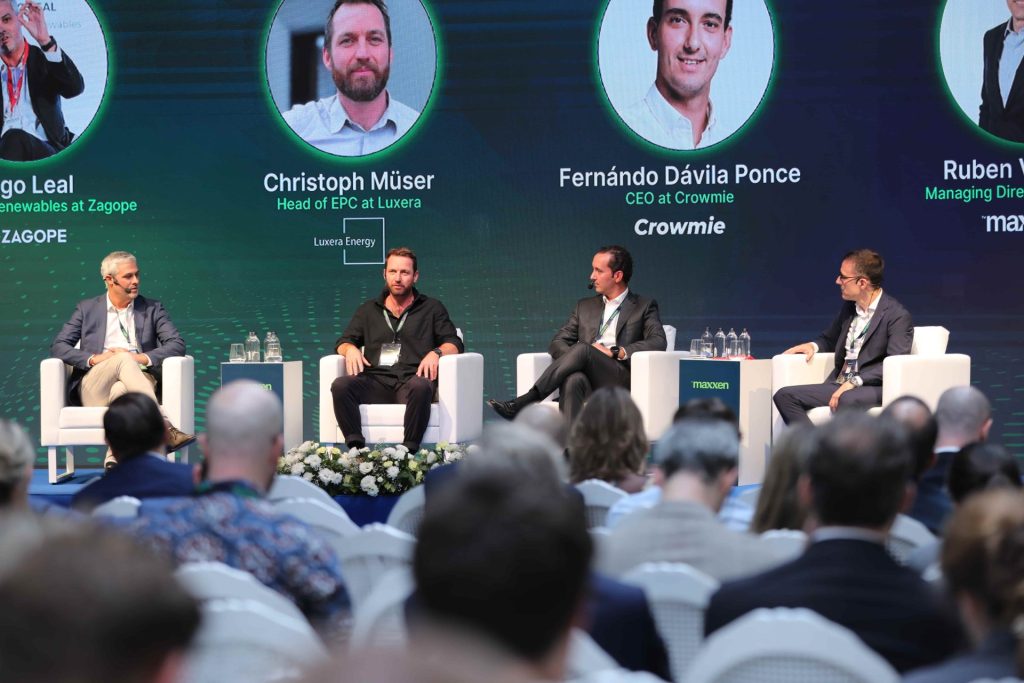
It’s that exciting time of year again when preparations are in full swing for Energy Week Western Balkans 2023, the region’s premier renewables investment conference.

The event is taking place on 18-19th October at Regent Porto Montenegro. Places are limited.

From a dialogue with regulators to the fireside chat with the founder of one of the global developers, the event’s agenda promises a resounding success.

More:

Among confirmed speakers and guests in 2023:

  1. Kadri Simson, Commissioner for Energy, European Commission
  2. Dejan Popovic, President of the Council, Energy Agency of the Republic of Serbia
  3. Mile Srdanović, President#, Regulatory Commission for Energy in Federation of Bosnia and Herzegovina
  4. Dario Nikolovski, Director, Energy Agency of the Republic of North Macedonia
  5. Jeton Mehmeti, Chairman of the Board of Directors, Kosovo Transmission System and Market Operator (KOSTT)
  6. Milos Mladenovic, Managing Director, SEEPEX
  7. Matija Medojevic, CEO, BELEN – Montenegrin Power Exchange
  8. Eric Scotto, Founder & CEO, Akuo Energy and others.
Photo: Energy Week Western Balkans

Get ready to network with top management of state corporations of Montenegro, Serbia, Bosnia and Herzegovina, North Macedonia, Albania, and Kosovo as well as foreign investors on a private, lushly landscaped waterfront island in Porto Montenegro. B2B and B2G meetings run in parallel with the conference and are scheduled by the organisers for all the delegates.

Request your complimentary brochure with details as well as a description of promising utility-scale projects across the region via www.wbenergyweek.com.

Source: Energy Week Western Balkans

JOINT EFFORTS FOR GREENER SERBIA

Photo-illustration: Pixabay (fotos1992)
Photo: WWF

By changing their habits, individuals can affect the preservation of the environment. However, to fight against major environmental problems such as polluted water and air, inadequate waste management and indiscriminate exploitation of natural resources, we need a good strategy and organizations with enough resources and knowledge to create the necessary change in these extremely important areas.

Unfortunately, very few organizations in Serbia are developed to the extent that they can influence the creation of policies that would improve the current environmental situation. Seeing the challenges faced by environmental associations and civil society organizations, the world environmental protection organization, WWF Adria Serbia, together with the Adria Association for Nature Protection and Biodiversity Conservation from Croatia, started the implementation of the project titled “Serbia Actions in the Field of Environment and Nature and Climate” (“SAFE Nature and Climate”). The European Commission supports the project through the Civil Society Support Programme. It is a direct response to the common challenges our country faces in global efforts to mitigate and adapt to climate change.

IN FOCUS:

WWF says that they want to form a network of civil society organizations in Serbia that can implement and realize their ideas for sustainable environmental protection without hindrance. The goal is to boost the capacity and direct the actions of those organizations so that they become relevant participants in making political decisions related to ecology.

During the next three years, in three consecutive cycles, WWF Adria Serbia will award grants ranging from 18,000 to 40,000 euros to selected civil society organizations for projects and activities aimed at preserving, protecting and preventing environmental threats. As many as 95 organizations sent their applications to the first competition, which was launched last year. A total of 20 project proposals, focused on environmental protection in the broadest sense, were shortlisted, and 10 were finally selected.

Marina Papović, the programme associate at WWF Adria Serbia, said they were delighted with how many organizations applied for the First Strategic Grant under the auspices of the Safe Nature and Climate project. The reason for this is twofold.

“The first reason relates to the fact that civil society organizations throughout Serbia recognize environmental problems and climate change and strive to solve the problems systematically. Through their project ideas, the candidates tried to express a wide range of ideas from the mentioned segment – from waste management and the circular economy to biodiversity conservation and mitigating and adapting to climate change. Another reason is that by inviting them to submit their applications, we identified the internal needs of these organizations and defined which direction we need to take to boost their programme, financial and operational capacities in the future”, Marina explains.

The entire process of selecting projects that would receive funding lasted about three months. The whole WWF Adria Serbia team contributed to the selection process while also working on further planning related to this important project.

Prepared by: Milica Radičević

Read the story in the new issue of the Energy portal Magazine ENERGETIC EFFICIENCY

Two sides of Europe: coal or RES – polluted and unpolluted Europe

Photo-illustration: Pixabay
Foto-illustration: Unsplash (Dominik Vanyi)

The Balkan Peninsula is an area that has significant deposits of coal, especially lignite, known as brown coal. Serbia has the most extensive coal deposits in the Balkans and ranks high for lignite deposits globally – right after Germany, Australia, the United States, Russia, and some other countries. The majority of Serbian coal mines are located in the Kolubara and Kostolac basins. Kosovo is also very rich in lignite and it ranks highly in terms of its quantities, but also its use. The key coal mines in Bosnia and Herzegovina are located in Tuzla, Banovići, Breza, Kakanj, Zenica, Bugojno and Gacko. North Macedonia has lignite reserves concentrated mainly around the towns of Bitola and Oslome. Countries in our region are faced with striking a balance between their current dependence on coal and the need to transition to cleaner energy sources. We have been working on this every year, especially under the influence and with the help of the EU.

As for Europe, the continent experienced a few upheavals, especially between 2018 and 2020. In 2020, Europe consumed about 246 million tonnes of brown coal. This was 33 percent less than in 2018 and 64 percent less than in 1990. Overall, in the thirty years between 1990 and 2020, coal production fell by 80 percent, according to Eurostat data.

The Balkan countries are trying to follow, to a greater or lesser extent, the EU agenda when it comes to RES. They have also signed a relevant contract because the Balkans is invited to reduce their heavy dependence on coal, as a limited resource and the biggest polluter. The countries of the region have mostly decided to adhere to EU policies, which imply the implementation of all environmental protection regulations and measures to achieve the goal of reducing net carbon dioxide (CO2) emissions to zero by 2050 at the latest. However, no matter how attractive RES are, this still poses a challenge to the Balkan countries particularly in terms of finances and steady operation of power plants.

More:

Photo-illustration: Unsplash (Chris-Munch)

With coal-fired thermal power plants, it will not be possible to reach carbon neutrality for half a century. Countries often failed to meet the agreement stipulations all these years and emitted many more harmful gases than the allowed limits, such as sulfur dioxide which was several times higher than allowed. Gacko, Ugljevik, Kakanj and Tuzla mines were some of the biggest polluters in the past few years. Meanwhile, more money has been invested in various advanced equipment to bring the Western Balkan energy route closer to the EU.

The below data from the last 12 months show how active coal was in the production of electricity in regional countries.

In Serbia, 39.85 percent of electricity was obtained from coal in the last 12 months, considering that our thermal power plants mainly use lignite, but also a significant share of 39.27 percent comes from hydro-energy in the same period.

Croatia, just like Serbia, generates large quantities of electricity from hydro-energy – 45.06 percent – which is not surprising. After that, wind energy ranks high at 13.64 percent and gas at 12.55 percent, which also produces the largest share of emissions, while coal was close to zero.

 In Bosnia, hydro-energy and coal have the highest share in electricity production with 44.8 percent and 42.32 percent respectively. North Macedonia also predominantly uses coal (38.22 percent). Slovenia, for example, uses 29 percent of nuclear energy, as much as hydro energy, while 5 percent is coal. In a number of other European countries, coal is not used at all, or very little, like in Croatia. In countries which do use it, there is a plan to shut down coal-fired plants or switch them to use other forms of energy by 2030. Poland is one of the countries most dependent on coal, despite being an EU member.

Earlier reports from European agencies warned that the Balkans is a problem spot in terms of air and water quality, which strongly affects the surrounding countries. Pollution from coal-fired power plants in the Western Balkans also has a cross-border impact, despite the air being cleaner in Western Europe. According to WHO data from last year, Bosnia and Herzegovina had the fifth-highest death rate as a result of air pollution, due to excessive use of poor-quality coal.

Foto: Twitter (screenshot)

Eastern Europe, especially the Balkan countries, is struggling with an air pollution crisis that is in stark contrast to the air quality in Western Europe. Looking back at the said information, the pollution data paints a poor picture but coincides with the coal data. Reliance on coal mining and the proliferation of lignite-fired power plants has resulted in alarming levels of air pollution. A striking indicator is that of the 50 most polluted cities in Europe, in 2022, nineteen are located in Bosnia and Herzegovina, and 12 in Serbia. Herceg Novi in Montenegro and Tuzla in Bosnia and Herzegovina are among the most polluted towns.

While Western Europe generally meets the World Health Organization’s pollution guidelines, the entire population of Eastern Europe lives in conditions that are unfavourable to their health. Eastern Europeans lose an average of 10.7 months of life to pollution, compared to just 3.8 months in the West, according to research by the University of Chicago’s Energy Policy Institute.

This region is peculiar because it resembles a labyrinth from which it is difficult to get out – there is a lot of lignite, the mines are brimming with it, and it is a cheap and easily usable source of energy, but it also promotes serious pollution and is dangerous for the population’s health. 

Western Europe, in contrast, has seen notable improvements in air quality over the past two decades. Portugal, for instance, implemented all WHO clean air guidelines. This division within Europe not only underscores the urgent need for Eastern Europe to end its excessive use of coal but also the necessity of collective, strategic action.

Milica Vučković


KIND TO BODY, KIND TO NATURE

Photo: GREENmara
Photo: GREENmara

When we pick up a plastic bottle on the street, carry a shopping bag or ride a bicycle to work instead of a car, we make a small contribution to the preservation of the environment and set an example for others about desirable behavior. Sometimes we are not even aware of how much changes in our daily life can have a positive impact on our environment. By using natural preparations, in addition to doing our body a favor, we also help our environment. Marija Simeon, the founder of the brand “GREENmara cosmetics”, makes natural cosmetics that help us truly live in harmony with nature.

“We take the best from nature, and our gratitude is reflected in responsible production that does not endanger the living environment. It is important to us that everything that is included in our products satisfies both ecological and ethical norms. A careful combination of essential oils, minerals, plant extracts, natural oils, and butter creates products that clean, balance, regenerate, tone, hydrate and heal,” explains Marija.

She made the first products out of the need to provide herself with the best possible care, preserve her health and do it all the right way. Years of experience in the corporate world helped her realize her dreams as an entrepreneur.

IN FOCUS:

“I chose to have the word green in the name because all my soaps and other products are green, ecological, healthy and natural”, says Marija, adding that designing, formulating, and combining scents and colors in making soap is actually a fun process.

“The challenge was to give my soaps an adequate use value. The goal was to create soap formulations that clean the skin just as needed, nourish it, hydrate it, care for it, and allow it to carry out its natural functions unhindered. Then came a long period of learning, perfecting and creating perfect product lines,” she explains, emphasizing that it’s a great feeling to make a good and healthy product that brings benefit to everyone who uses it.

Natural resources of Serbia

Photo: GREENmara

For the soaps, she uses only raw materials that have no harmful effects, and she tries to procure them from the surroundings of Užice and Ivanjica.

“Serbia is incredibly rich. Here we grow an abundance of autochthonous plant species that are incredibly healthy and valued in the world of cosmetics. However, this branch of industry is still in the process of growth, development and introduction into processes that meet the desired standards,” says Marija.

She says she got a lot of help from family and friends, and so far, she’s only had good feedback that has given her a boost.

“Each stage of brand development brings its own challenges. There is no harder or easier period. The path from an idea to successfully placing finished products on the market requires a lot of attention, work and persistence. The users themselves play a big role in development, and an increasing number of people are choosing products that really help them take care of themselves in a right and healthy way,” confirms our interlocutor.

Prepared by: Milica Radičević

Read the story in the new issue of the Energy portal Magazine ENERGETIC EFFICIENCY

WITH RATIONAL CONSUMPTION OF ENERGY TO A SAFE SUPPLY

Foto-ilustracija: Pixabay (AJS1)
Photo: courtesy of Miloš Banjac

The prevailing opinion that energy is used irrationally in our country is only partly true. This opinion is based on two energy indicators that are most often presented in public, which do not reflect in the true sense the attitude of our citizens towards energy.

The first is energy intensity, which is easy to calculate and, therefore, very popular. This describes how much primary energy a country consumes to generate its gross national income. For Serbia, in 2019, energy intensity was 5.04 Mwh/EUR, while for Germany, it was 2.76, Austria 3.29, and Croatia 3.07 MWh/EUR. The main cause of this indicator being so high in Serbia’s case is not the inefficient use of energy, but the structure of our economy, in which energy-intensive industries prevail. For instance, the energy intensity of Iceland is as much as 12.3 MWh/EUR, yet this country is a role model when it comes to having a rational attitude towards energy.

Another indicator is the average monthly consumption of electricity in households. In 2019, this consumption amounted to 303 kWh in the EU and in our country 462 kWh. However, we should bear in mind that the types of energy used in households differ from country to country and that in EU countries, electricity is rarely used directly for heating. Also, in quite a few EU countries, there are widespread city district heating systems. Therefore, EU residents use expensive electricity mainly for operating household appliances and cooling their homes. In Serbia, only 11.7 per cent of the households have access to the gas grid, and in larger cities, there is generally no possibility of individual use of it. At the same time, the price of electricity is low and, compared to some European countries, many times lower. Therefore, we need to behave rationally and choose the most affordable solutions, as many as 14.6 per cent of households in Serbia use electricity as the only energy source for heating, and almost all of them use it as a supplementary energy source.

IN FOCUS:

Inefficient heating devices with electric resistance heaters are used for heating almost entirely while using three to five times more energy-efficient heat pumps is negligible. The reason for this is again financial because the prices of heat pumps are relatively high, so with the low price of electricity, the return on investment in these devices is very long.

Regarding the use of electricity for household appliances, people in Serbia have a somewhat more relaxed attitude than their EU counterparts. The reason for this is, to a lesser extent, poor education, and to a greater extent, the low price of electricity, or financially-wise, small savings that can be generated, even if very serious consideration is given to the way these devices are used. The second reason for the increased consumption of electricity lies in the fact that most of the electrical devices in our households are significantly older and inefficient, unlike those used in EU countries.

Photo-illustration: Pixabay

European industry, although not as energy intensive as ours, consumes 10 per cent more electricity, while in contrast, households in Serbia consume 22 per cent more of this energy. Therefore, people should stop using electricity primarily for direct heating, start using heat pumps and, where possible, switch to using natural gas, district heating or wood biomass. The household sector has the greatest potential for saving energy.

The private sector leads the way in saving electricity and other energy sources. Market-oriented and motivated, and because they include energy costs in the price of each product or service, this sector is forced to take care of energy consumption to remain competitive. On the other hand, the public sector, and above all, public companies, which have a privileged, monopoly-like position, are not motivated to do this and, in most cases, do not treat energy rationally.

It is indisputable that last autumn, people consumed significantly less electricity and even less heat generated by the city’s heating plants. According to the public enterprise Electric Power Industry of Serbia (EPS), about 45 per cent of households in Serbia reduced their consumption by more than 5 per cent in October. However, the average air temperature in October last year was 15.4 degrees Celsius, while in the same month the year before last, it was 11.6 degrees. Also, Belgrade had as many as 22 days in October when the highest daily temperature was over 20 degrees Celsius. A similar situation was repeated in the following two months.

Regardless, it has been estimated that the recommendations, the strong media campaign about the need to save energy, and the very stimulating EPS measures to reduce energy bills in case households reduce their energy consumption, contributed to the savings. However, as it happened, the EPS’ measures proved to be immeasurable because households that normally use electricity for heating had the biggest bill discounts, not because they saved energy, but because there was no need for heating. Instead of these measures, a new tariff system should have been implemented, stipulating prices that would permanently disincentivize large consumers even more and reward those who spend little energy. The focus of measures for rational energy consumption should be directed at the households, industry, and transport sector.

Miloš Banjac

Read the story in the new issue of the Energy portal Magazine ENERGETIC EFFICIENCY

IEA: Growth in global oil demand is set to slow significantly by 2028

Photo-illustration: Pixabay
Photo-illustration: Unsplash (Grant Durr)

Growth in the world’s demand for oil is set to slow almost to a halt in the coming years, with the high prices and security of supply concerns highlighted by the global energy crisis hastening the shift towards cleaner energy technologies, according to a new IEA report released today.

The Oil 2023 medium-term market report forecasts that based on current government policies and market trends, global oil demand will rise by six percent between 2022 and 2028 to reach 105.7 million barrels per day (mb/d) – supported by robust demand from the petrochemical and aviation sectors. Despite this cumulative increase, annual demand growth is expected to shrivel from 2.4 mb/d this year to just 0.4 mb/d in 2028, putting a peak in demand in sight.

In particular, the use of oil for transport fuels is set to go into decline after 2026 as the expansion of electric vehicles, the growth of biofuels and improving fuel economy reduce consumption.

“The shift to a clean energy economy is picking up pace, with a peak in global oil demand in sight before the end of this decade as electric vehicles, energy efficiency and other technologies advance,” said IEA Executive Director Fatih Birol. “Oil producers need to pay careful attention to the gathering pace of change and calibrate their investment decisions to ensure an orderly transition.”

More:

Global oil markets are still slowly recalibrating after three turbulent years in which they were upended first by the Covid-19 pandemic and then by Russia’s invasion of Ukraine. The global energy crisis triggered by the war in Ukraine has resulted in an unprecedented reshuffling of global trade flows. Global oil markets could tighten significantly in the coming months, as production cuts by the OPEC+ alliance temper an upswing in global oil supplies. However, the multifaceted strains on markets look set to ease in the following years, according to the new report.

Photo-illustration: Unsplash (John Cameron)

China was the last major economy to lift its stringent Covid-19 restrictions at the end of 2022, leading to a post-pandemic oil demand rebound in the first half of 2023. But demand growth in China is forecast to slow markedly from 2024 onwards. Nevertheless, burgeoning petrochemical demand and strong consumption growth in emerging and developing economies will more than offset a contraction in advanced economies.

Global upstream investments in oil and gas exploration, extraction and production are on course to reach their highest levels since 2015, growing 11 percent year-on-year to USD 528 billion in 2023. While the impact of higher spending will be partly offset by cost inflation, this level of investment, if sustained, would be adequate to meet forecast demand in the period covered by the report. However, it exceeds the amount that would be needed in a world that gets on track for net zero emissions.

The report’s projections assume major oil producers maintain their plans to build up capacity even as demand growth slows. This is expected to result in a spare capacity cushion of at least 3.8 mb/d, concentrated in the Middle East. The report nonetheless notes a number of factors that could affect market balances over the medium term – including uncertain global economic trends, the direction of OPEC+ decisions and China’s refining industry policy.

Oil producing countries outside the OPEC+ alliance dominate plans for increasing global supply capacity in the medium term, with an expected rise of 5.1 mb/d by 2028 led by the United States, Brazil and Guyana. Saudi Arabia, the United Arab Emirates and Iraq lead the plans for capacity building within OPEC+, while African and Asian members are set to struggle with continuing declines, and Russian production falls due to sanctions. This makes for a net capacity gain of 0.8 mb/d from the 23 members in OPEC+ overall over the report’s forecast period.

In the refining sector, the overhang in global capacity has been reduced by waves of closures, conversions to biofuel plants and project delays since the pandemic. This, combined with a sharp drop in Chinese oil product exports and an upheaval of Russian trade flows, resulted in record profits for the industry last year. While the amount of net refinery capacity additions by 2028 is expected to outpace demand growth for refined products, diverging trends among products means that a repeat of the 2022 tightness in middle distillates cannot be ruled out.

Source: IEA

PLANTAŽE – WINES WITH THE TASTE OF HOMELAND

Photo: Plantaže
Photo: Plantaže

Company 13. Jul Plantaže stands out among the few companies in the region with a history to be proud of. Their first chapter began in the 1960s when the earth was created from stone almost with bare hands, and vines sprouted from it. Today, this company owns the largest vineyard within a single complex in Europe, covering an area of 2,310 hectares.

During those 60 years, the wines gained fame, were declared Decanter medal winners and were crowned with the “gold of the wine Olympics” However, they always remained on first-name terms with all the wine lovers. The magnificence and greatness of people is in their approachable modesty, and Plantaže wines carry such greatness. These are wines for everyone who loves wine, without exception.

The Plantaže vineyard lies on a plateau whose altitude varies between only 45 and 70 meters above sea level, about thirty kilometers from the Montenegrin part of the coast of the Adriatic Sea, which foams just like Plantaže sparkling wine Val and that sends airy salty greetings to the vineyard, next to the Skadar lake, on whose lushness it rests, and right next to the cold Cijevna above whose canyon is the Prokletije range that sends the breath of the mountains. Grapes absorb all of these and “breathe” that air. That’s why the wines of Plantaže have the smell and taste of Montenegro in all its beauty combined and poured into wine.

IN FOCUS:

Photo: Plantaže

The sun loves Podgorica very much, so it stays there for a long time. That is why the capital of Montenegro has 135 summer days a year with a temperature of over 25 degrees. Stone, earth, sun and man created the vineyard, and the grapevine does not live everywhere. It took a lot of love to give its best, and the best here was given by our autochthonous variety Vranac, which occupies 70 per cent of Plantaže plantations. Few things from this area have become a point of reference outside the geostrategic framework of their creation, such as the Vranac of the Montenegrin Plantaže. A legendary wine is woven into the entire region’s wine culture and is a synonym for exceptional quality. Plantaže wines undoubtedly confirm that good things have never recognized borders because since the company was founded, they quickly and easily gained consumers’ trust worldwide. Their strength today is also confirmed by the fact that millions of consumers enjoy Plantaže wines on almost all continents.

The wine showcase of Plantaže is rich. Decades of work and knowledge of a world-renowned winery have been arranged on it, vibrant Malvasia, distinctive and juicy Luča, Chardonnay, Sauvignon Blanc and refined Pro Anima, ingenious Vladika, powerful and great Vranci, Montenegrin Cabernet, Montenegrin Merlot and premium wine lines Stari Podrum, Premier and Reserve. An exceptional place is occupied by Vranac Pro Corde – wine for the soul, a brand that Plantaže has been working hard on for 30 years, a wine that can be found in each of more than 40 countries in the world that Plantaže exports to today.

Source: Plantaže

Read the story in the new issue of the Energy portal Magazine ENERGETIC EFFICIENCY

AQUAPONICS – A QUIET ECOLOGICAL REVOLUTION IN AGRICULTURE

Photo: courtesy of Srđan Radin

Not far from Sombor, the idyllic town of Vojvodina is the village of Stapar, where, on a plot of only six acres, Srđan and Vesna created a wonderful family of six with their love but also the hope that sustainable agricultural entrepreneurship can take root in Serbia. We spoke with Srđan Radin about their story, which was made official in 2015 with establishment of the “Vesna Radin” agricultural farm.

Wishing to produce healthy and tasty fruits and vegetables with long-lasting freshness and researching how to achieve this, they concluded that it is necessary to turn to more modern ecological production. It led them to aquaponics in 2014.

If the meaning of the term itself is not familiar to you, Srđan Radin readily gives a striking definition.

IN FOCUS:

Aquaponics is a quiet ecological revolution in producing healthy and fresh food. “Cultivating agricultural land emits large amounts of carbon dioxide, while the aquaponic system allows plants to be grown without using the land. Aquaponics does not require a large area for cultivation or land and offers the possibility of growing plants in urban areas, on the roofs of buildings, and even in restaurants within small, strictly controlled spaces. In this way, the need for longer transport routes is reduced, which also reduces harmful emissions from this source,” explains Srđan.

Photo: courtesy of Srđan Radin

In this system, plants grow six times faster in small cultivation areas, and water consumption is 90 per cent less than in traditional agriculture. It is possible thanks to the system in which plants and fish are grown simultaneously.

“Water is pumped from the fish tank to the plant growing tank. In a circular cycle, water trickles over gravel, perlite, or hydroton balls, then passes past plant roots and drains back into the fish tank. The joint cooperation of fish and plants makes this system unique. Faster plant growth is possible due to the naturally established fertilizer in the water. Fish have the role of the fastest plant protein converter, which allows plants to extract nutrients from the water and at the same time to purify the water for the fish,” Srđan explains the whole process and adds that this fertilizer is made from cold-blooded fish that does not carry Escherichia coli or salmonella, unlike fertilizers originated from warm-blooded animals. In addition, thanks to the circulation of water that does not require changing, this resource is significantly saved.

With this method of agriculture, 50 kilograms of fish and hundreds of kilograms of vegetables can be produced in six months in a space whose dimensions are only eight by four meters.

Prepared by: Katarina Vuinac

Read the story in the new issue of the Energy portal Magazine ENERGETIC EFFICIENCY