


World

World Set to Miss Environment-Related Sustainable Development Goals – UN report
Despite progress in key environmental areas such as clean water, sanitation, clean energy, forest management and waste, countries are still living unsustainably and are on course to miss the environmental dimensions of the 2030 Agenda for Sustainable Development, according to…
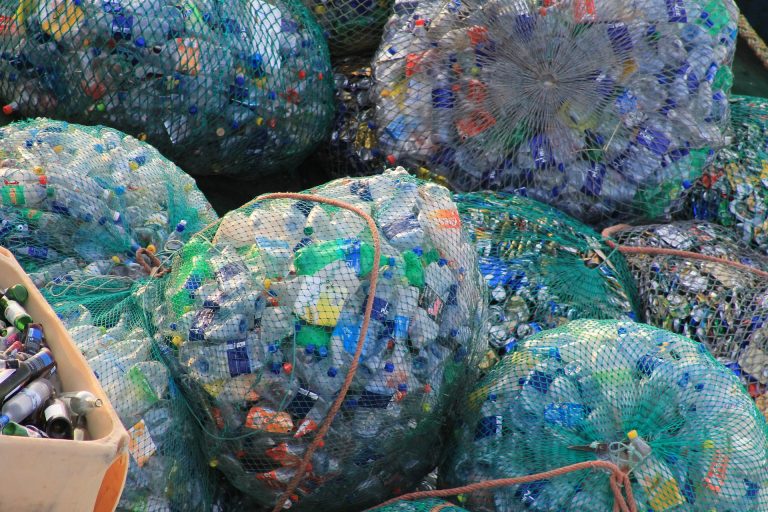
How Rivals Can Work Together to Stop Plastic Waste
Rivals – traditionally – tend not to work together. This approach can help companies stay distinct as one-of-a-kind innovators and maintain competitive advantages. It can even protect consumers’ interests. Legislation exists across the world to prevent cartels that could force…
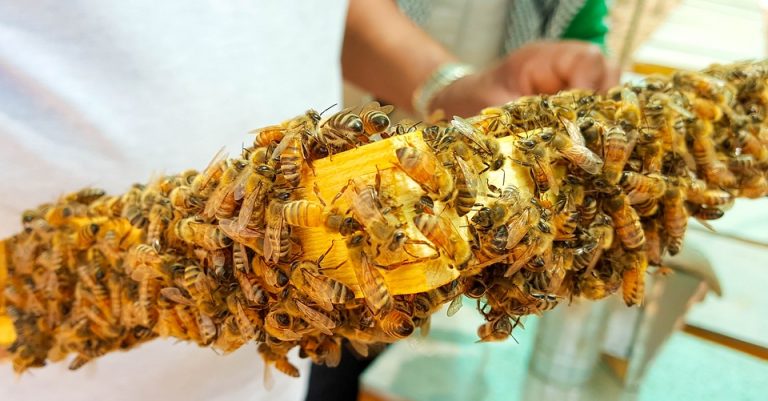
Bees, Bans and Broad-Spectrum Pesticides
Bees and other pollinators are increasingly under threat from human activities. To raise awareness of the importance of pollinators and their contribution to sustainable development, the UN marks May 20 as World Bee Day. This year, the United Nations Environment…
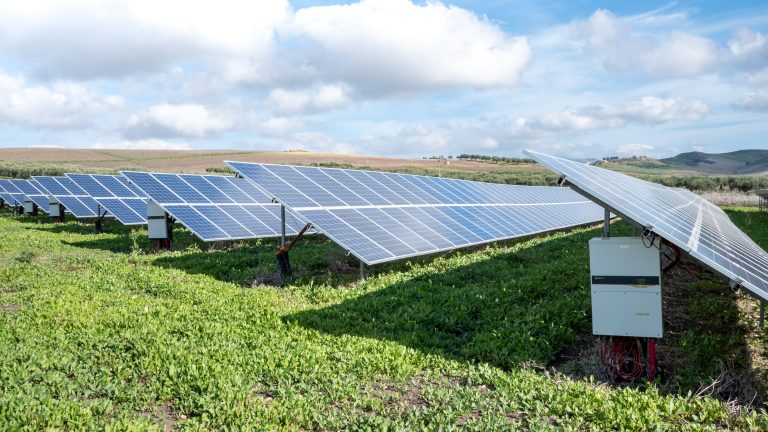
Energy Pathway to Net Zero by 2050
The world has a viable pathway to building a global energy sector with net-zero emissions in 2050, but it is narrow and requires an unprecedented transformation of how energy is produced, transported and used globally, the International Energy Agency said…
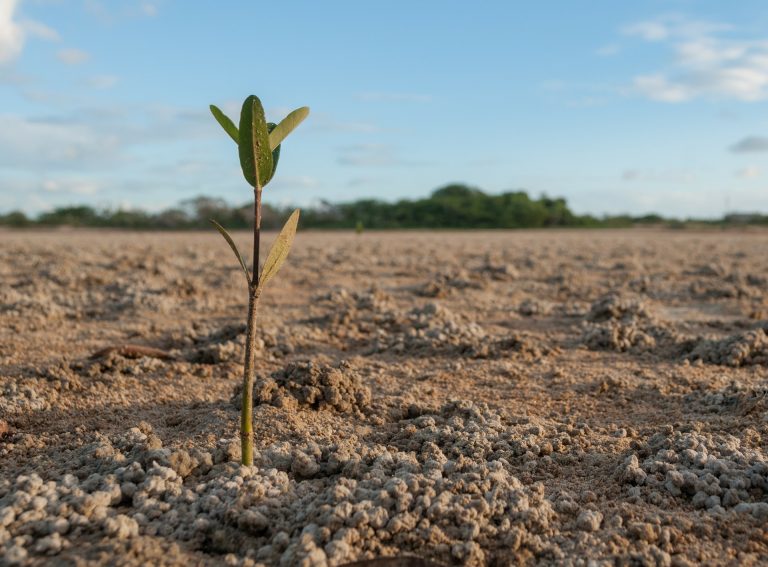
Pakistan Restores Mangroves for Economy and Ecosystem Benefits
Tahir Qureshi had many nicknames. Father of the Mangroves. Mangrove Man. The mangrove hero of Pakistan. All reflect a life dedicated to the conservation and restoration of Pakistan’s mangroves. As Pakistan prepares to host World Environment Day on June 5,…
Renewables are Stronger than Ever as They Power Through the Pandemic
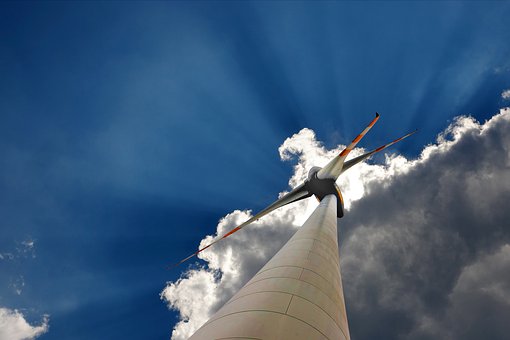
Renewable sources of electricity such as wind and solar grew at their fastest rate in two decades in 2020 and are set to expand in coming years at a much faster pace than prior to the pandemic, according to a…
100 MW Solar Plant to be Put Into Operation Near Samarkand
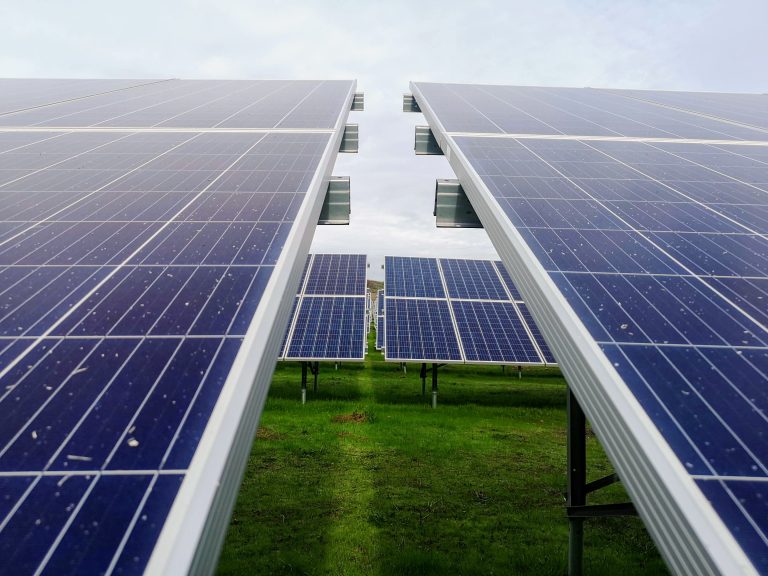
The government of Uzbekistan’s plans to develop 8 GW of solar and wind capacity by 2030 have received a major boost following the approval of an EUR 87.4 million financing package jointly organised by, the European Bank for Reconstruction and…